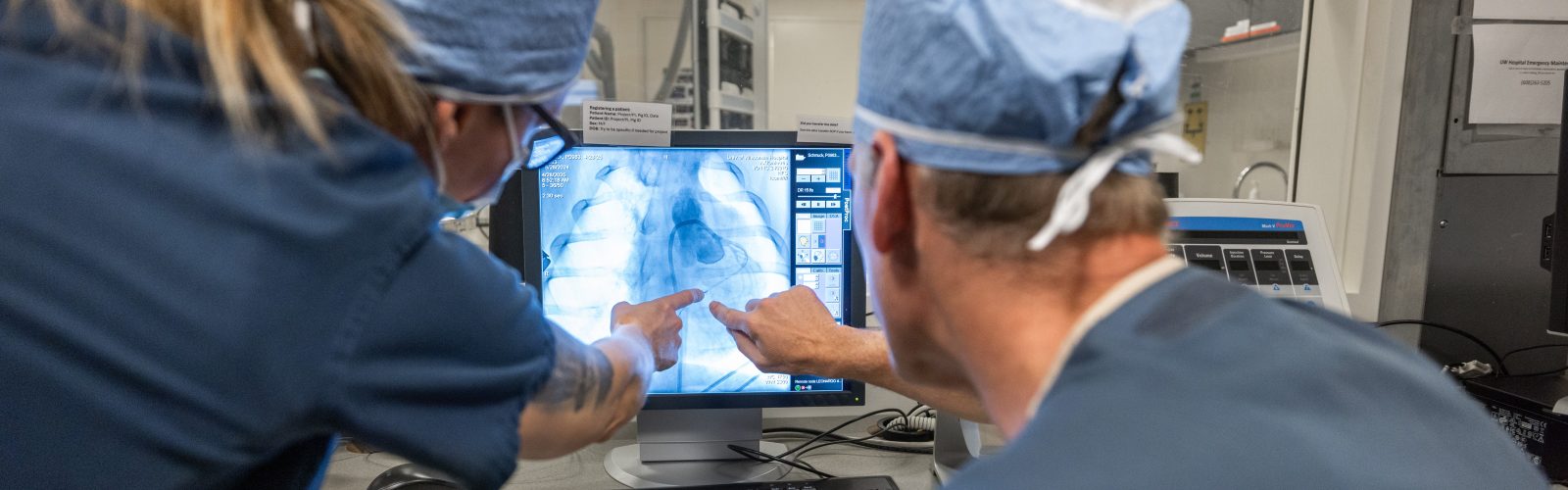
Swine are exceptionally valuable models for metabolic disease and aging due to their striking anatomical, physiological, and genetic similarities to humans, offering superior translational relevance for complex systemic conditions like cardiovascular and pulmonary diseases compared to rodent models. Specifically, Wisconsin Miniature Swine (WMS) address the size limitations of conventional pigs, reaching and maintaining human-like body dimensions at maturity. This makes them ideal for long-term studies, surgical interventions, and the application of human clinical medical devices and advanced imaging modalities pertinent to both cardiac and lung function.
WMS can spontaneously develop human-like obesity and associated glucoregulatory/metabolic dysfunction when fed Western diets, directly mimicking the progression of metabolic syndrome, which is a significant risk factor for both cardiovascular and certain pulmonary disorders. Furthermore, the WMS with familial hypercholesterolemia (WMS-FH) provides an even more refined model, exhibiting markedly elevated LDL cholesterol levels and developing advanced atherosclerotic plaques, including vulnerable lesions with necrotic cores, directly mirroring human familial hypercholesterolemia and enabling critical research into early disease progression, therapeutic targets, and novel interventions for both cardiovascular complications and their impact on pulmonary hemodynamics and function associated with metabolic disease and aging.
RESOURCES
- Animals: Wisconsin Miniature Swine (WMS) and Wisconsin Miniature Swine with familial hypercholesterolemia (WMS-FH)
- Cells: iPSC-derived cardiomyocytes, pulmonary epithelium & iPSCs with trisomy 17 (trisomy 20 in humans)
- Fixed tissues: lung, heart, aorta, pulmonary artery from prepuberal and adult males and females from WMS and WMS-FH animals
- Other tissues: RNA samples, protein samples, whole blood and serum from prepuberal and adult males and females from WMS and WMS-FH animals
- CBC and Blood chemistry data from prepuberal and adult male and female WMS and WMS-FH animals
- Customized diet formulations
- Imaging: X-ray fluoroscopy catheterization lab, PET, MRI, CT, ultrasound
- Lipidome, metabolome and microbiome from prepuberal and adult male and female WMS and WMS-FH animals
- WMS genome: sequenced and annotated
Affiliated Faculty





Publications
Pan F, Sui J, Silva-Pedraza Z, Bonteko J, Carlos CR, Wu G, Liu W, Gao J, Liu B, Wang X. 3D Printed Piezoelectric stents for Electricity Generation Driven by Pressure Fluctuation. ACS Materials & Interfaces Vol16;21 2024
Li J, Hacker TA, Wei H, Long Y, Yang F, Ni D, Rodgers A, Cai W, Wang X. Long-term in vivo operation of implanted cardiac nanogenerators in swine. Nano Energy. 2021 Dec;90(Pt A):106507. doi: 10.1016/j.nanoen.2021.106507. Epub 2021 Sep 11. PMID: 34737918; PMCID: PMC8562697.